ESD safety footwear: everything you need to know about antistatic protection

In ultra-modern industrial environments, safety is no longer limited to visible risks : static electricity has become an invisible hazard. For professionals working with highly sensitive equipment or handling electronic components, even the smallest electrostatic discharge can lead to serious consequences.

This is why integrating ESD (Electrostatic Discharge) safety footwear into mandatory workwear is a genuine technical, strategic, and regulatory requirement.

Understanding the antistatic properties of ESD safety footwear

Principle of controlled electrostatic discharge in ESD safety footwear

At the core of ESD safety footwear lies a key requirement : enabling the gradual and safe dissipation of electrostatic charges accumulated by the human body. While the principle is simple, its technical implementation requires cutting-edge materials and rigorous manufacturing standards. Each material used must ensure strictly controlled electrical resistance. This specific range helps prevent the build-up of charges that could cause harmful electrostatic discharge to sensitive electronic components.

The design of such a dissipation path must also take environmental factors into account : humidity, temperature, and flooring type all play a crucial role. This is why manufacturers incorporate conductive fibres into the sole, ensuring a reliable connection between the foot and the working surface.

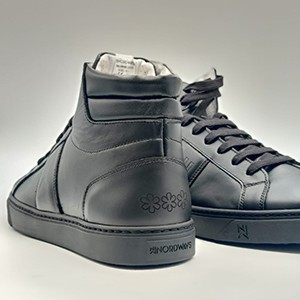
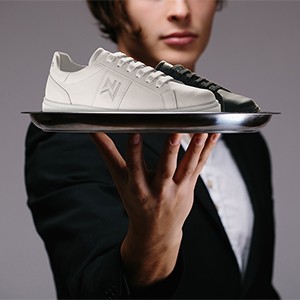
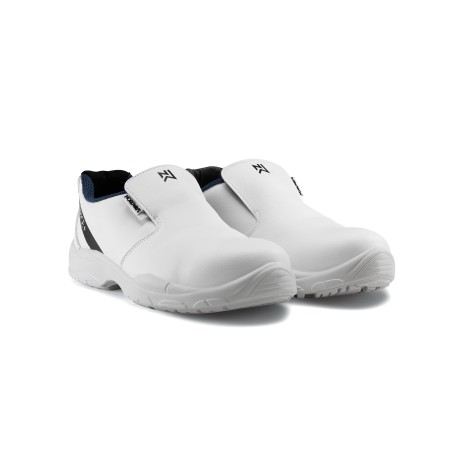
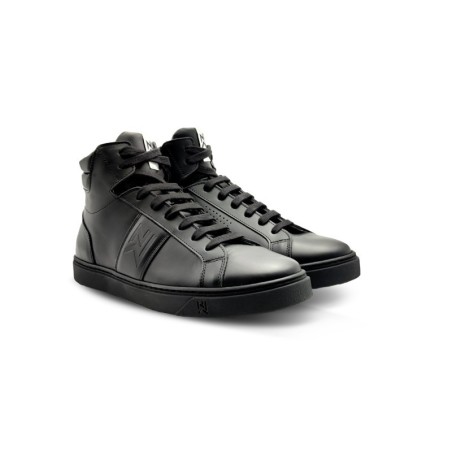
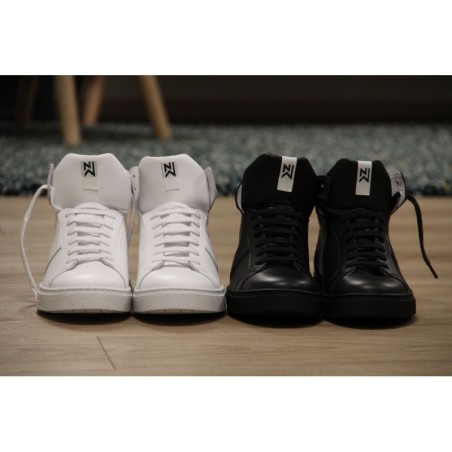
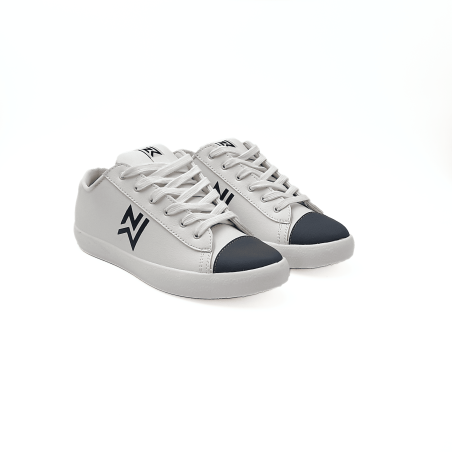
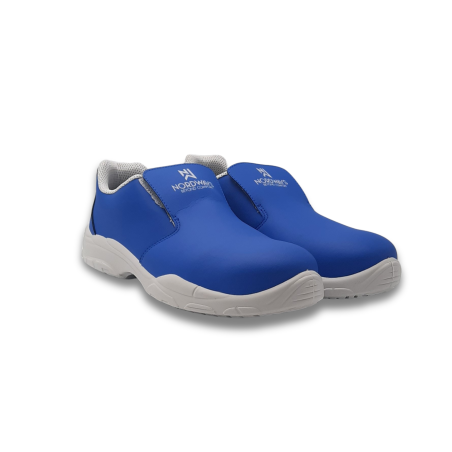
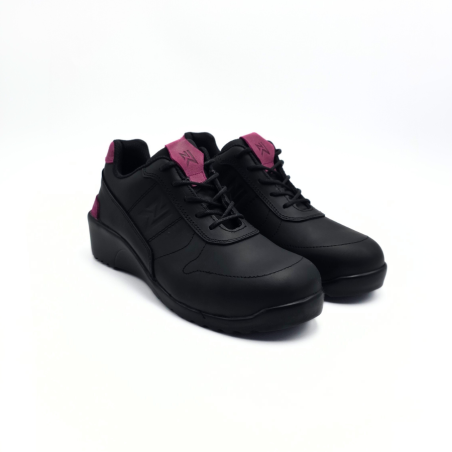
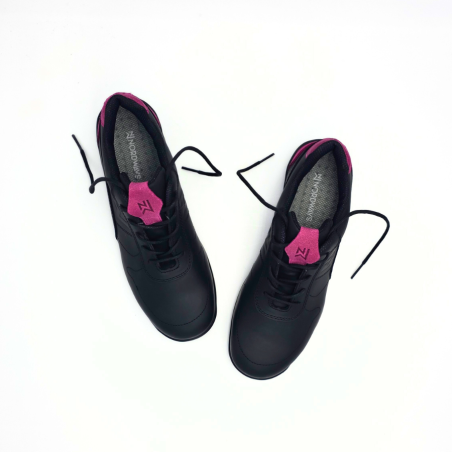
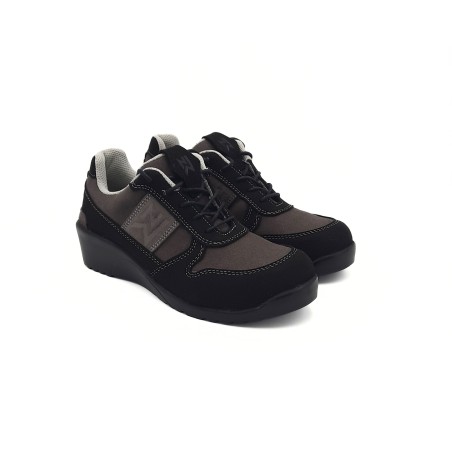
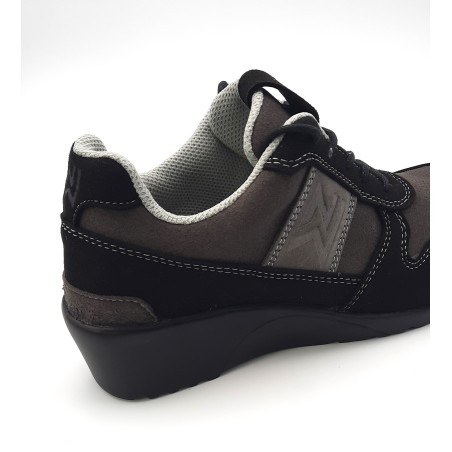
For example, some Nordways sneakers integrate conductive fibres and recycled materials to ensure consistent dissipation while enhancing everyday comfort, such as the NRUN and NLOCK models.

Differences between standard antistatic footwear and high-performance ESD footwear

Many professionals still confuse standard antistatic footwear with ESD models, even though there is a significant difference between them. Conventional antistatic footwear is designed to limit the build-up of electrostatic charges, helping prevent mild shocks or the risk of sparks in explosive environments. However, their electrical resistance may fall within a range that is too broad to effectively protect highly sensitive equipment.

By contrast, ESD safety footwear delivers higher performance. Its electrical protection is more precise, and its ability to channel static energy safely to the ground is specifically calibrated to protect both users and electronic devices. In microelectronics workshops, only ESD footwear ensures compliance with the strict requirements imposed by the fragility of chips and circuit boards.

Choosing the right ESD footwear for professional sectors and environmental constraints

Types of protective toe caps for ESD footwear : composite or aluminium

Protective toe caps, mandatory in all safety footwear, are now available in two main materials :
  
  • Composite : lightweight, non-conductive, and fully compatible with ESD dissipation, it provides effective protection against impact and compression (up to 200 joules under the S3 standard).
  • Aluminium : valued for its slim profile and low weight, it is often used to achieve a balance between durability, comfort, and antistatic performance.
The choice depends on the working environment and specific job requirements. In laboratories where metal-free equipment is required, composite toe caps are the preferred option. In logistics or the food industry, aluminium is often favored for its lightness and its ability to withstand high mechanical stress.

Key criteria for the electronics, chemical, logistics, and electrical maintenance industriesFournissez vos commentaires sur BizChat

Selecting ESD footwear is not something to be improvised : each industry comes with its own set of protection priorities. In the electronics sector, the primary concern is controlling electrostatic discharge to preserve the integrity of circuit boards and sensors. The chemical industry requires enhanced resistance to corrosive substances as well as waterproof construction. In logistics, the focus is on lightness, ergonomics, and the ability to withstand repeated impacts on various surfaces.

For electrical maintenance, the balance between antistatic (ESD) performance and partial insulation must be carefully assessed, particularly for technicians working in environments with a low risk of electrical shock.

In summary :

 
SectorPrimary ESD requirementKey features
MicroelectronicsStrict dissipation rangeHigh-precision sole, non-magnetic materials
Chemical industryChemical resistance and ESDWaterproof design, acid-resistant sole
LogisticsLightweight and stabilitySlip-resistant, enhanced, cushioning, integrated ESD
Electrical maintenanceESD + partial insulationLateral protection, composite toe cap 

Comfort, ergonomics and durability : modern technologies enhancing ESD footwear

The new generation of ESD safety footwear no longer focuses solely on strict compliance : it is designed to meet the physiological needs of professionals. The objective is twofold : ensure effective electrostatic dissipation while reducing the risk of musculoskeletal disorders associated with prolonged wear.
  
Some models, weighing less than 500 grams, combine agility and durability without compromising protection. To meet these requirements, several technical innovations have been introduced:
  
  • Breathable technical mesh to wick away moisture and accelerate drying
  • Dual-density PU foam midsole for targeted cushioning and ergonomic support
  • Carbon fibres to reinforce the structure without adding weight
  • Micrometric lacing systems for precise fit and support
  • Self-cleaning outsoles to reduce wear and maintain ESD performance
  • Use of recycled materials
  • Solvent-free adhesives
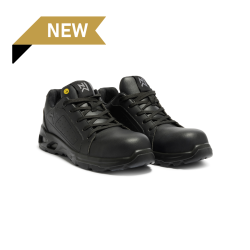
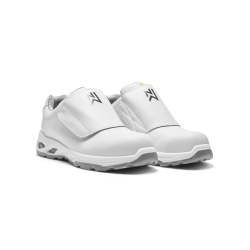
This approach is reflected in our Industry range, which integrates cushioning, breathability, and recycled materials technologies, designed to reduce fatigue and improve overall working conditions.

S1P, S2 and S3 : how to choose your ESD footwear based on your industry

S1P, S2 and S3 classifications structure the regulated ESD safety footwear offering. Each category is designed for a specific working environment:
ClassFeaturesTypical sectors
S1P

Toe cap, puncture-resistant insert,

breathability, ESD

Light industry, logistics, electronics

S2

Toe cap, ESD, enhanced water resistance

Laboratories, food industry, chemicals

S3

Toe cap, ESD, puncture resistance,

full waterproofing

Construction, heavy industry, maintenance

Beyond compliance, raising staff awareness about the proper use of ESD footwear and ensuring rigorous maintenance (low-temperature cleaning, rotating pairs, and checking insole wear) are recommended to maintain the expected level of protection.

In this constantly evolving field, JLF Pro supports professionals with ESD solutions designed to meet the technical, regulatory, and ergonomic requirements of industrial environments.

Share