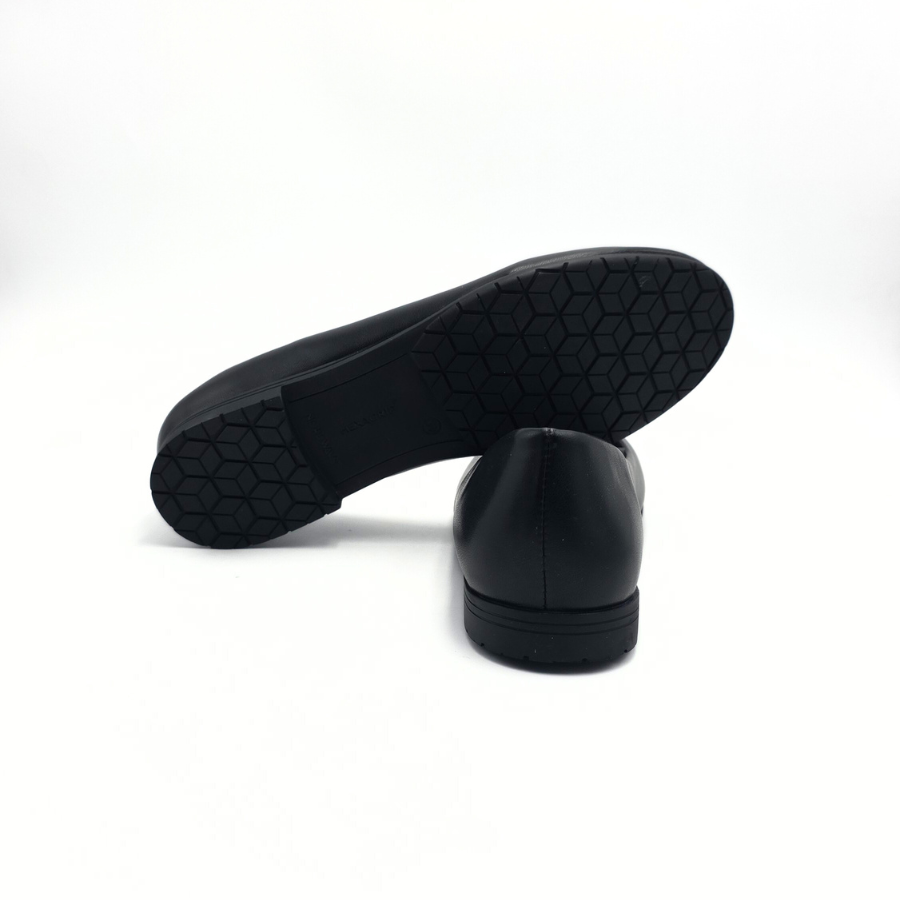
Safety, elegance, and well-being are at the heart of daily demands in the restaurant industry, making the choice of service shoes crucial. With slippery floors, long hours of standing, and the need to maintain a flawless image in front of customers, slip-resistant shoes become the number one ally for front-of-house staff.
Every waiter, sommelier, or maître d’hôtel knows that a simple detail like the outsole can make all the difference: reducing falls, relieving pain, improving posture, and even ensuring optimal hygiene thanks to innovative materials.

In hospitality, staff safety, and therefore control of slip risks, is key to smooth service and team well-being. Floors often exposed to moisture, grease splashes, or heavy foot traffic quickly become high-risk areas. A simple misstep can lead to serious consequences: injury, extended sick leave, or even the need to reorganize teams in an already demanding environment.
Prevention starts with choosing professional footwear adapted to the hotel, restaurant, and café sector. Slip-resistant models are designed to maximize grip on all types of surfaces, from shiny tiles to waxed wood floors, making them essential for any professional concerned with safety and operational continuity. Beyond protection, they also reflect a company’s commitment to workplace well-being.
In the restaurant industry, every movement counts. Workplace accident statistics show that most incidents in kitchens and dining rooms are caused by slips on wet or greasy floors.
Investing in certified footwear helps reduce fatigue throughout the day, maintain a natural stride, and significantly lower stress related to the fear of falling. On the other hand, unsuitable shoes accelerate physical and mental strain, especially in high-pressure or high-end service environments. In short, this choice is strategic for both individual safety and overall service performance.
To guarantee safety, several European standards regulate professional footwear. In France, particularly strict requirements apply to demanding establishments. Shoes that meet these standards include visible certifications and detailed information about materials, sole design, and manufacturing processes.
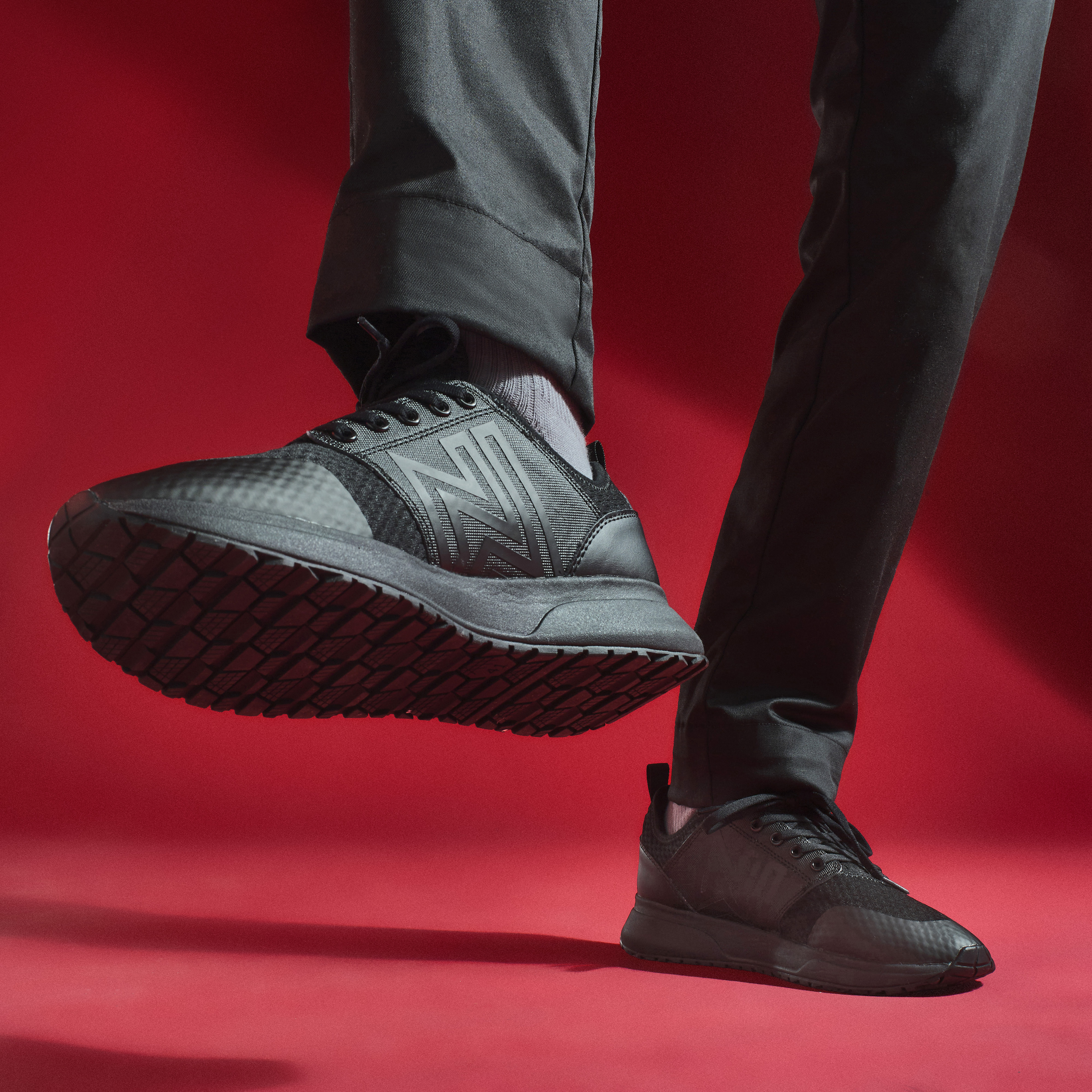
Technological advancements have introduced innovative materials combining athletic performance with industrial durability. These include micro-grooved soles, rubber and EVA blends, and anti-penetration treatments, ensuring reliable grip even after repeated cleaning and heavy use.
The EN ISO 20347 standard defines the requirements for professional footwear, including those used in the restaurant industry. It certifies overall performance in terms of comfort, safety, and grip. The SRC marking guarantees the slip-resistant performance of the model, validated through two separate tests: resistance to slipping on ceramic surfaces covered with soapy water, and on steel surfaces covered with oil.
This dual validation, a symbol of high standards in France as well as across Europe, reassures establishments that wish to protect themselves against any incident related to lack of grip. For staff, it demonstrates the employer’s commitment to their safety and their role.
A restaurant’s brand image is built on details. From the moment customers enter the dining room, staff attire and footwear reflect the expected level of excellence and elegance. At the same time, the durability and ease of maintenance of this equipment help establishments remain efficient while ensuring safety and comfort, even after several seasons.
In service, appearance plays a key role as it directly contributes to the customer experience. Well-maintained shoes contribute to a harmonious outfit and a professional image, while a lack of care can give a less rigorous impression. Paying attention to this aspect helps remain aligned with the establishment’s standards.
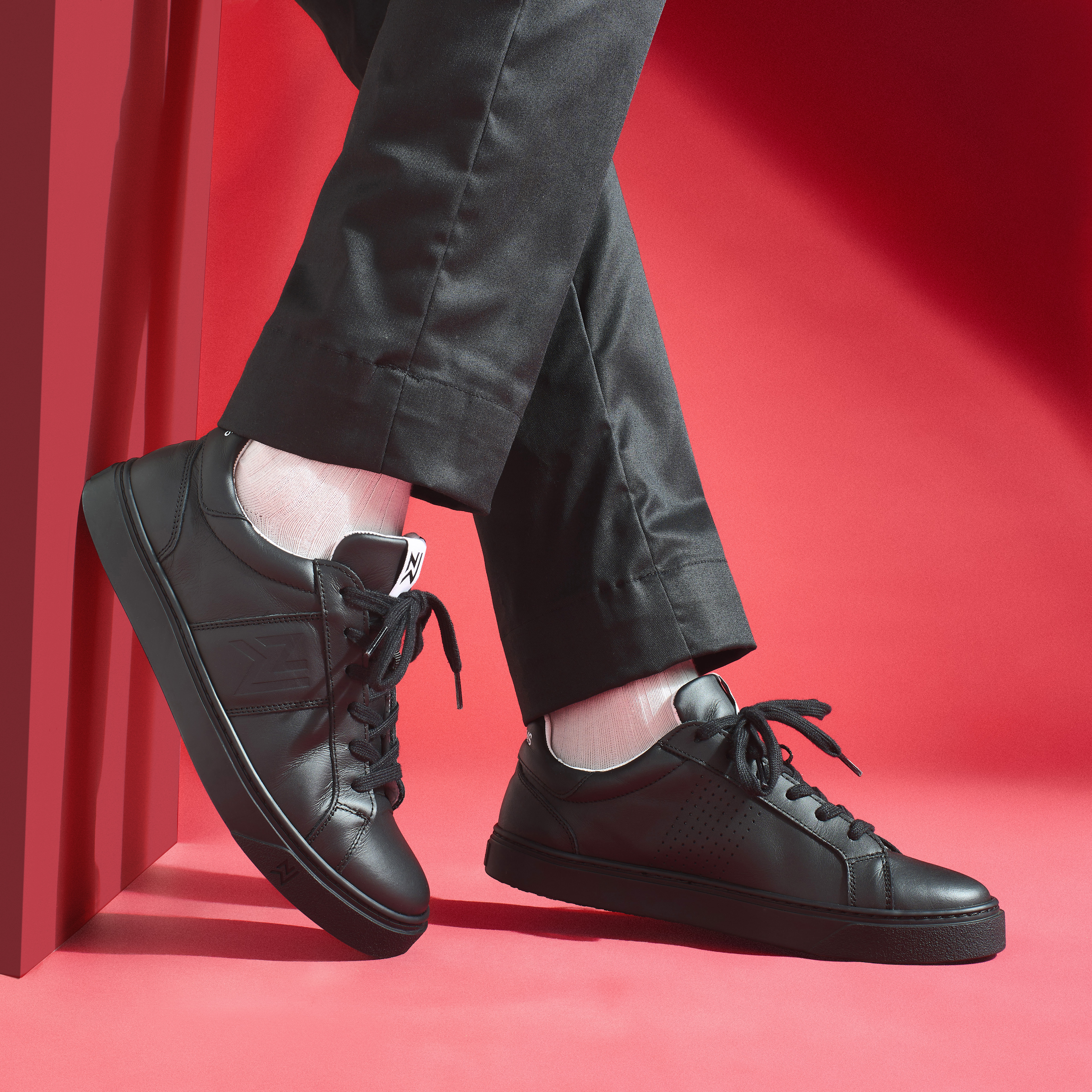
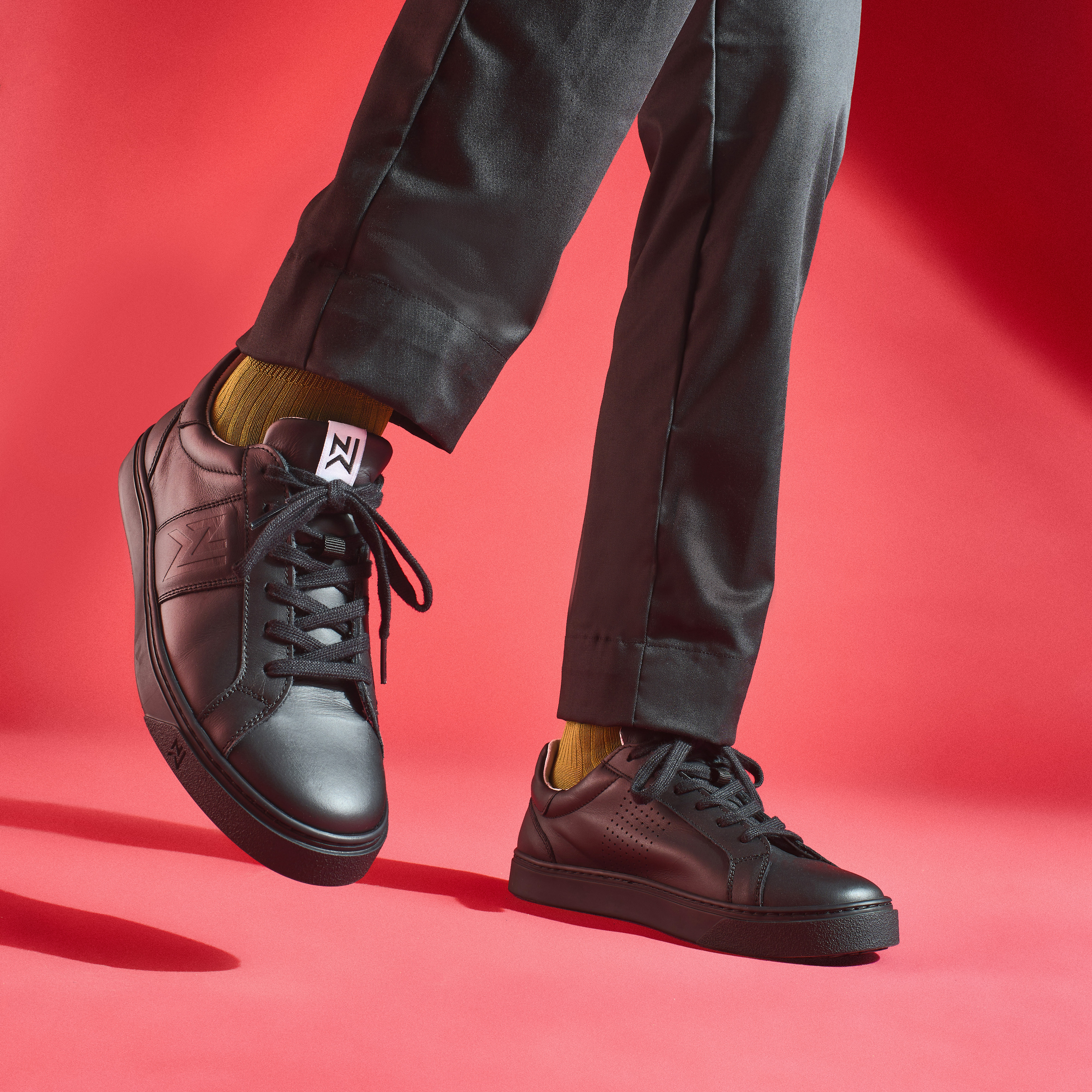
The model choice depends on the position, the type of establishment, and personal preferences. Modern service shoes come in a wide range adapted to all styles and functions :
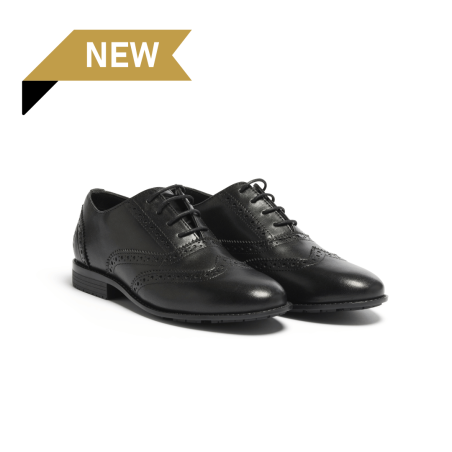
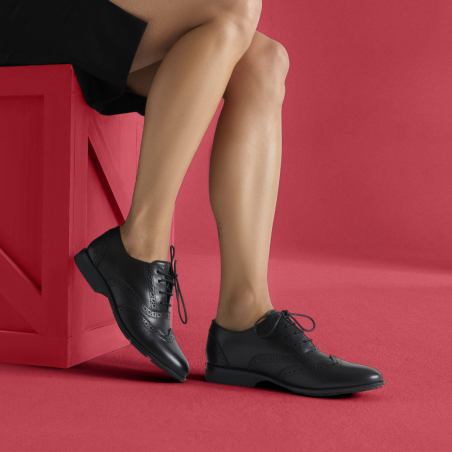
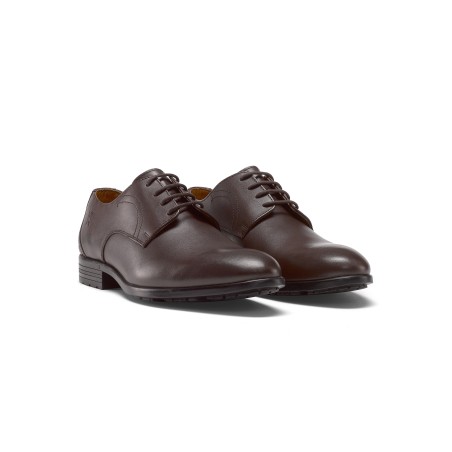
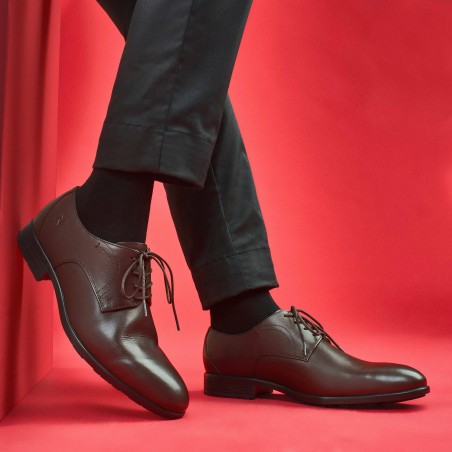
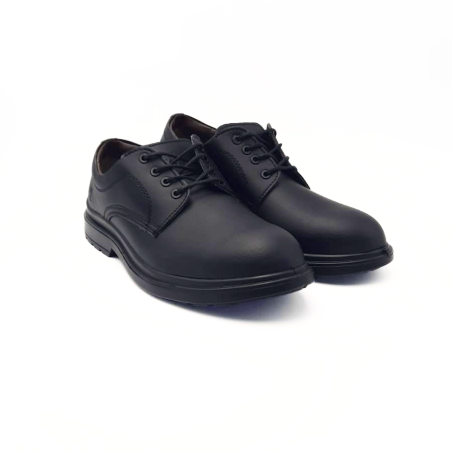
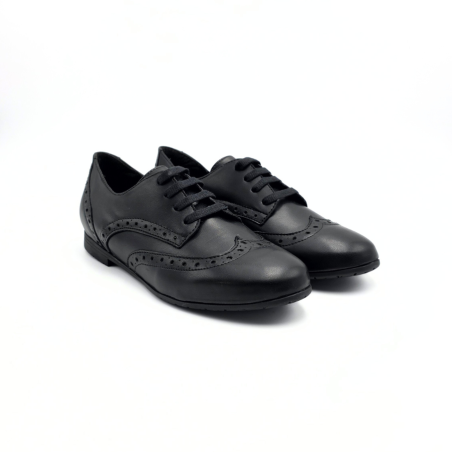
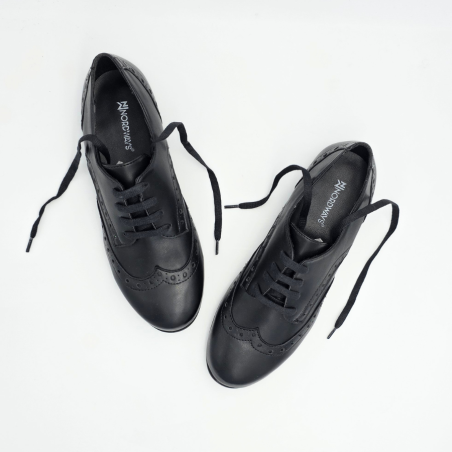
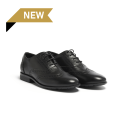
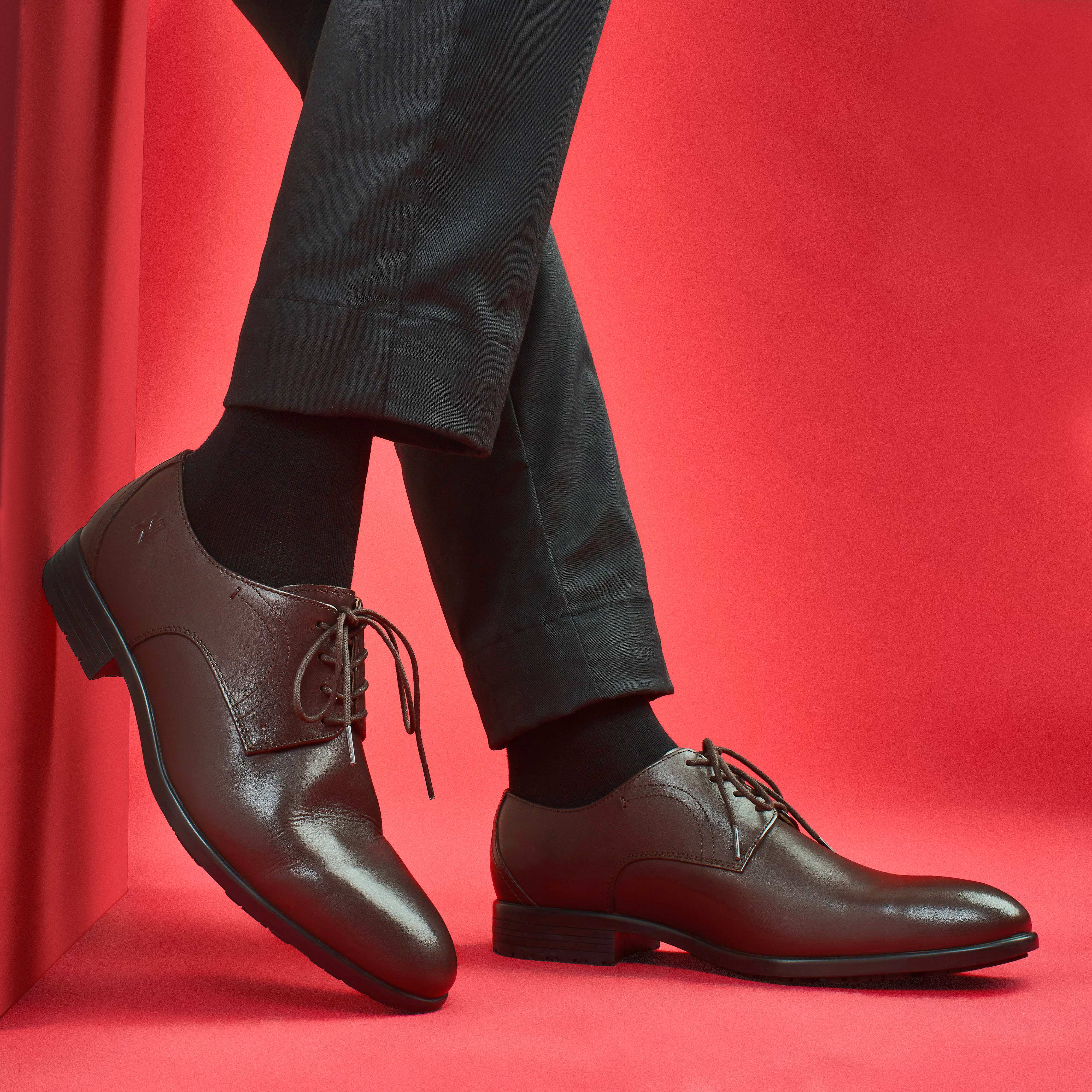
1. Derbies/Oxfords : classic elegance, often made of leather, intended for high-end gastronomic establishments. They are often seen on female housekeepers or reception staff.
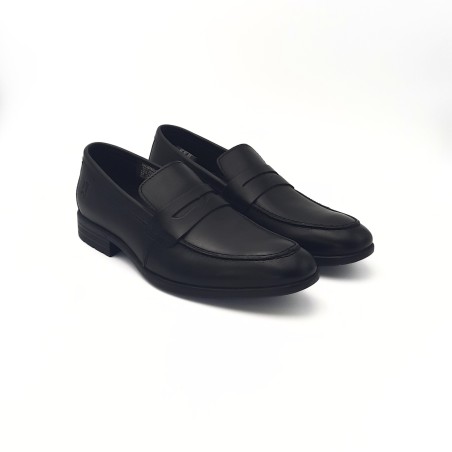
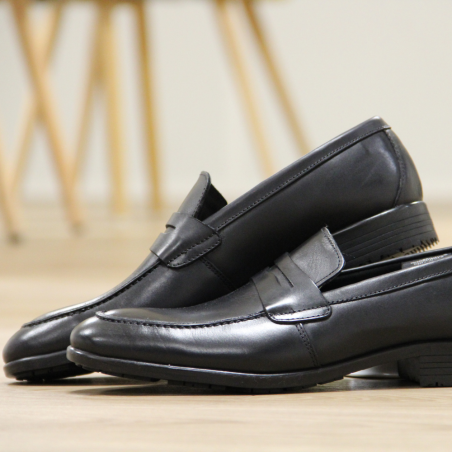
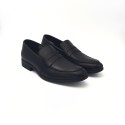
2. Loafers : ideal for combining comfort and elegance, easy to wear. They are frequently seen on men, especially sommeliers or maître d’hôtel staff.
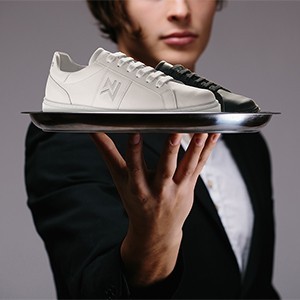
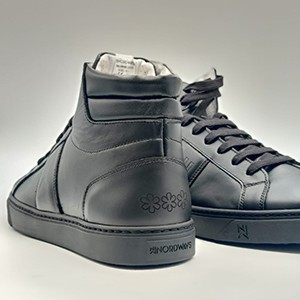
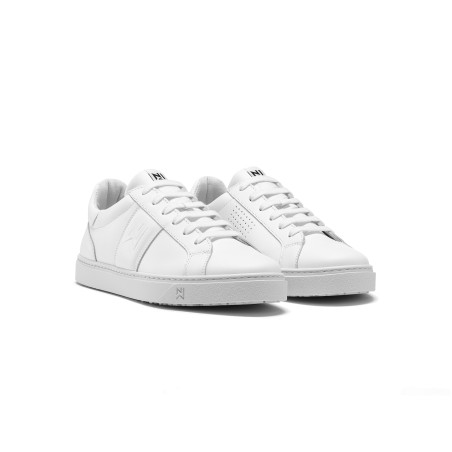
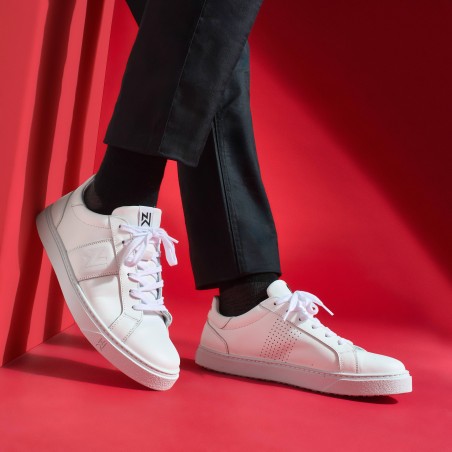
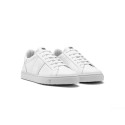
3. Professional sneakers : preferred in modern restaurants for their versatility, comfort, and cushioning.
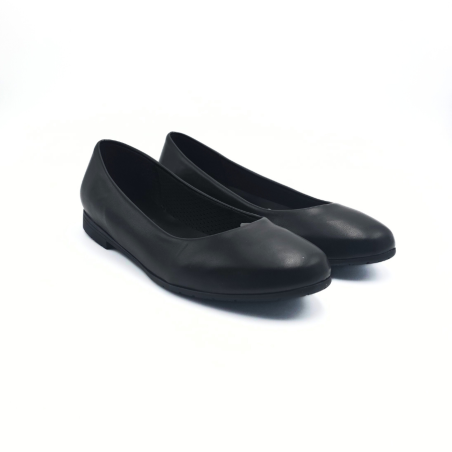
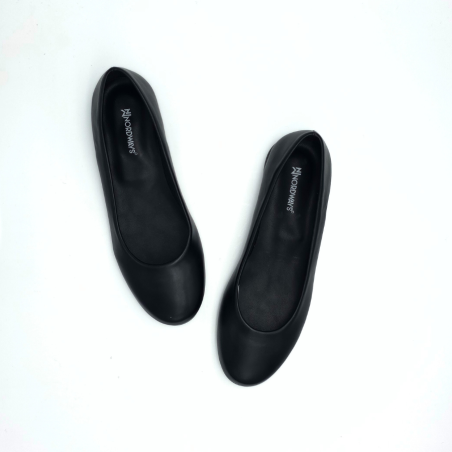
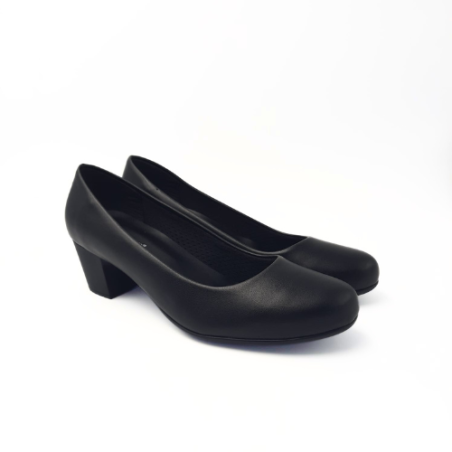
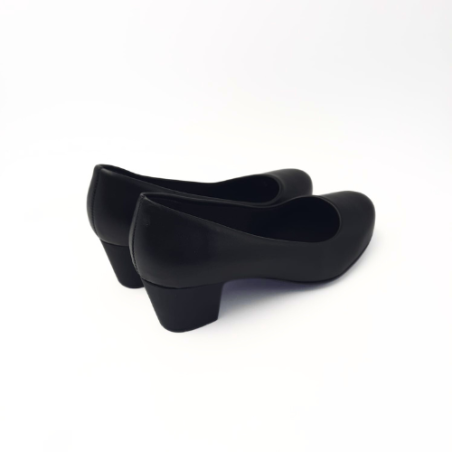
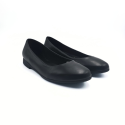
4. Ballet flats / professional heels : for staff wishing to combine elegance, practicality, and comfort, even during long working hours.
A well-maintained shoe retains its slip-resistant properties and comfort over time. Daily cleaning with a damp cloth and non-abrasive products prevents dirt from building up in the sole grooves, ensuring consistent grip. Air-drying shoes away from excessive heat sources prevents material deformation.
Regular use of disinfectants or antibacterial sprays limits odors and ensures impeccable hygiene in restaurant environments. It is also recommended to replace shoes every 9 months to 1 year, depending on usage intensity, in order to preserve original cushioning and avoid any loss of comfort or safety.
Nordways tip : Alternating between two pairs of shoes help extend their lifespan !
| Frequency | Maintenance action | Impact on the shoe |
| After each service | Sole cleaning, airing | Maintains slip resistance |
| Weekly | Interior disinfection, light exterior cleaning | Prévention odeurs, conservation du confort |
| Quaterly | Wear check, replacement on insoles | Improves safety, reinforced arch support |
Strict maintenance limits premature wear and ensures constant safety for staff, even during particularly demanding services.
In France, the vigilance of labor inspections and customers also encourages managers to harmonize staff appearance, reinforcing an image of seriousness and professionalism. Choosing the right slip-resistant shoes therefore means ensuring a smoother daily operation, where comfort, safety, and elegance become one.


.png)


check_circle
check_circle